 +64 9977 9909
 info@custompins.nz



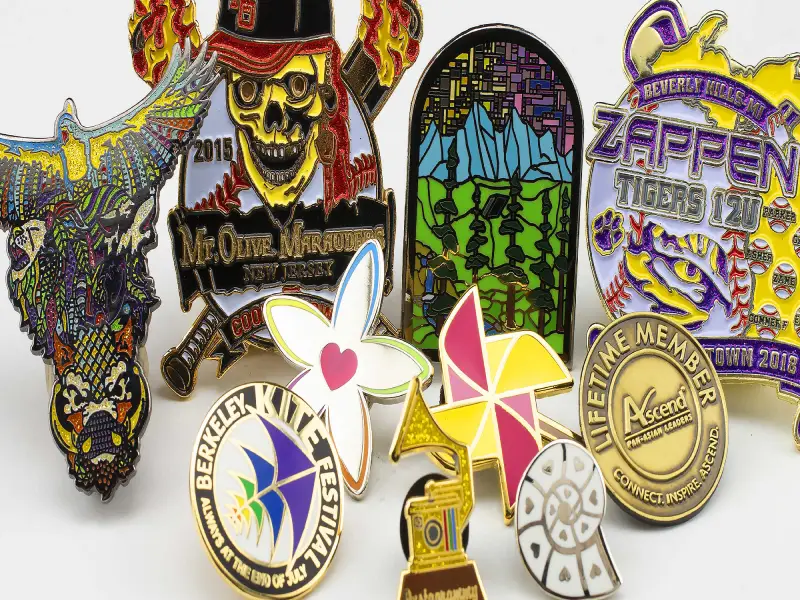
The Art Of Enamel Pins: History And Their Comeback
There are many trends in the market that disappear quietly, but others return stronger than ever. Custom enamel pins are included in the second category, as they were just simple badges that were worn by soldiers, collectors, and organisations. Now they have evolved into pieces of wearable art that can reflect a person’s interests, memories and personality. The journey has covered centuries and industries before getting new audience in the fashion industry and creative communities.
The change in style does not make it so fascinating, but the way a tiny metal accessory has adapted to different generations and kept its original purpose alive is. This blog will help you explore the origins of the enamel pins, the reasons for their decline, and the cultural shift that has brought them back to the spotlight.
The Early Story Behind These Small Collectables
The history of custom enamel pins stretches back to civilisations and historical periods. The design and appearance of the enamel pins have evolved, but the intent has remained the same: to convey identity, recognition, and storytelling.
● The History Of Enamel Pins
You can trace the history of coloured enamel finishes and decorative metal objects back thousands of years. Enamel techniques have been used to decorate jewellery, valuable ornaments, and ceremonial items by most of the ancient civilisations, including Egypt and Rome. They are important and rich symbols that demand proficiency in craftsmanship.
European craftsmen have perfected these enamel pins into a highly recognised craft. It was during the Middle Ages that religious institutions, noble families and trades commissioned a decorative badge in order to express their rank, fidelity and profession. These pieces eventually became the enamel pins that are known today.
● Why Are They Important In History?
Visual symbols were very significant even before digital communication was available. A badge instantly indicated military units, royal servants, universities, or professional organisations. One was worn as a symbol of trust, achievement or belonging to an esteemed community.
There are also records of businesses giving ornamental plaques to valuable employees for their long service. Many of these items are retained in museums worldwide for their historical significance in the field of industrial history and work culture.
● How Did They Make Their Way Into Everyday Wear?
The 20th century was a turning point. Political campaigns issued pins, sports teams created logos, and entertainment companies released character-based collectables. They transformed from mere identification badges to fashion accessories over time.
Collectors were also significant. Rare designs were kept alive by vintage markets, hobby clubs and conventions, and these activities promoted the appreciation of the craftsmanship of the vintage designs.
● What Led To Their Loss Of Popularity?
It is a fact of fashion that things go in and out of style. During the late twentieth century, minimalist styles and digital branding reduced interest in physical accessories. As many manufacturers turned to other promotional products, enamel pins were no longer a big item in everyday fashion.
Yet, passionate collectors persisted in collecting and selling rare vintage designs. They kept the tradition alive until years later, when interest returned.
Steps That Sparked Their Modern Revival
The fashion does not come around again in the same form. Rather, the old concepts are reimagined in new ways and are now accessible to very different audiences.
1. Independent Artists Found Global Audiences
Social media transformed the way creative products are delivered to customers. Artists could now suddenly distribute original artwork to people throughout the globe, bypassing the usual channels of distribution. The use of Limited Edition Pins in releases started to become a big craze amongst collectors.
Many creators went out of their way to make their own enamel pins, which meant that supporters could have cheap artwork for clothing, backpacks and display boards.
2. Businesses Discovered Their Marketing Value
Businesses quickly understood that people like to receive promotional items that they can use. Organisations started to make accessories that they would keep for years, rather than advertising pieces that they would throw away.
Custom pins bulk were becoming commonplace in trade shows, conferences, charity events and product launches as they provided no-cost, long-lasting brand exposure for companies of all sizes. In fact, some of the institutes report that useful promotional products make repeat impressions after they’ve been given.
3. Personal Expression Became a Fashion Trend
Modern fashion is more about being different than following the trends. In today’s day and age, individuals mix vintage garments with handmade accessories and collectables to make their own unique styles.
Accessories have become conversation starters rather than simple decorations. A well-selected pin may convey a travel experience, a passion, a favourite hobby, or a cause of significance, far beyond the aesthetic value.
4. Better Manufacturing Improved Quality
The technology of production became more sophisticated, thus allowing more detailed designs to become available. More intricate artwork designs were achieved with better moulds, more effective plating techniques and bright enamel colours, giving manufacturers a more durable product.
Today’s production capabilities are not just limited to lapel accessories. Today, many businesses have the option to create custom hat badges for uniforms, sporting events, schools, and promotional wear to put their name on hats in a unique way, offering another opportunity to display a brand’s identity through high-quality design.
Why Their Popularity Shows No Signs of Slowing Down
The newfound popularity of enamel pins is not just a matter of style. These are inexpensive, long-lasting and aesthetically pleasing, and are useful in many industries and across generations. Independent artists use them to grow their businesses, companies use them for memorable branding, and collectors have been searching for rare historical pieces.
According to study data provided by the Promotional Products Association International, wearable promotional items like these are still one of the most kept pieces of branded merchandise, as the receiver keeps displaying and using the product over time. That lasting visibility helps explain why these small accessories remain valuable for both creative expression and practical marketing.
Common Answers You Should Know
1. What makes an Enamel Pin collector?
Limited editions, vintage, historical significance, and art by notable artists are all sought-after features for collectors. A pin’s value changes over the years as it becomes rarer, better in condition, and more in demand.
2. Are enamel pins only used for fashion?
No, they are typically used by community groups, sports teams, businesses, charities, schools, museums, and other groups for recognition, fundraising, branding, and commemorating important events.
3. How long do enamel pins typically last?
If properly cared for, a good enamel pin can be kept for many years. Dry storage, proper storage, and light cleaning will help maintain the metal finish and enamel colours.
Final Thoughts
The story of enamel pins is a fascinating one in how traditional artisanal techniques have stayed relevant in a rapidly evolving world. They have transcended eras and cultures and started to serve a new function in different industries and generations, from being a symbol of status to a fashion accessory to being a collectable. The recent expansion of their resurgence is a testament to their appreciation for thoughtful design, personal expression, and handcrafted quality. These classic items showcase that no matter what the trend, these little items can make a big impact. They are renowned for their past or for their creativity. Their story is not over.

As a fashion enthusiast behind CustomPins.nz, I’m passionate about the creativity and fun of making pins that feel personal and meaningful. This blog shares ideas, tips, and easy-to-follow advice for designing pin badges people will love to wear and share. I break down choices like shapes, colours, finishes, and attachments in simple language so you can feel confident about your design. From enamel collectibles and lapel pins to custom pieces for events and teams, pins are small, but they can carry big ideas and create lasting memories. Every post is written with real people in mind, aiming to spark creativity and help you bring your pin projects to life.