 +64 9977 9909
 info@custompins.nz



How to Clean and Store Baseball Pins the Right Way
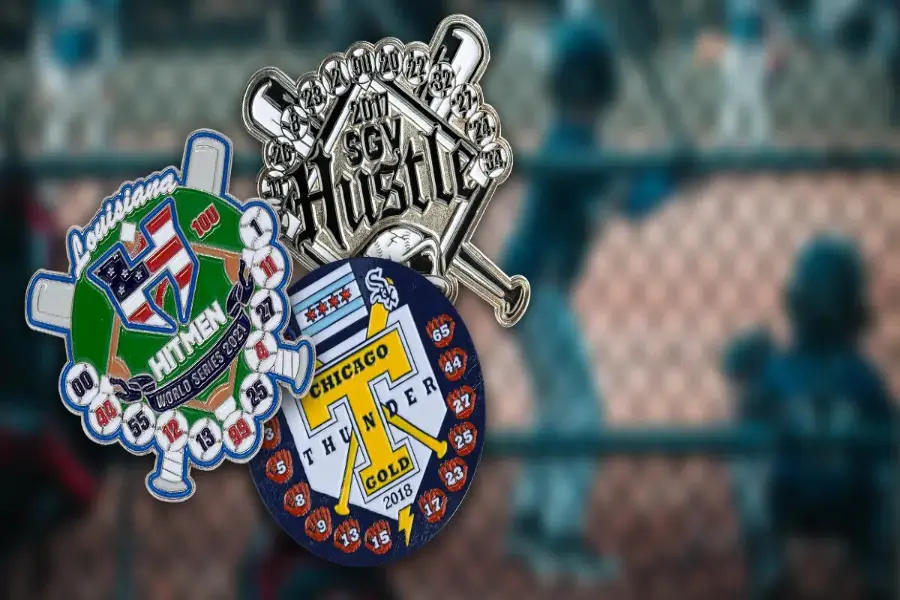
A baseball pin looks great for the first few months, then the shine starts fading without much explanation. Sweat from your hands, sitting in a drawer, or just being out in the sun for a season can dull the enamel or leave a tarnished layer on the metal. It happens to almost every collector or player at some point, and most of the time, it has nothing to do with the pin’s quality.
The good news is that fixing this doesn’t take special tools or a trip to a jeweller. A few small habits in how you clean, handle, and store your pins can keep them looking close to new for years. This guide breaks down exactly what works, what to avoid, and when a pin actually needs professional attention.
What Baseball Pins Are Made Of
Most baseball pins are made from one of two materials: metal or soft enamel. Each reacts differently to daily wear, and knowing which one you have makes it easier to care for it the right way.
Metal Pins
These are usually cast from iron or brass and finished with a coloured or plated coating. The coating is what gives the pin its shine, and it’s also the part that tarnishes first when exposed to air and moisture over time.
Enamel Pins
Enamel pins are made by fusing colored enamel into metal grooves, which is why the color rarely fades. The metal base underneath, though, can still oxidize or pick up a dull layer from skin oils and humidity, especially if it’s handled often. Many collectors ordering from a baseball pin maker in NZ ask about this exact issue, since it’s the metal base, not the enamel, that needs the most attention.
Daily Handling Habits
Most damage to a baseball pin happens before it ever needs cleaning. It’s usually the small habits around how a pin gets handled and worn that cause the wear in the first place.
- Wash and dry your hands before picking up a pin, since skin oils are one of the main reasons metal starts to dull.
- Keep pins away from rough surfaces like denim pockets or bags with zippers, as constant rubbing can scratch the coating.
- Take pins off caps or jerseys before workouts, practice, or any activity with heavy movement, since sweat and friction speed up tarnishing.
- Set the pin down on a flat, dry surface instead of tossing it into a bag with keys or coins.
How to Clean Your Pins
Cleaning a pin doesn’t need to be complicated, but it does need to match the material. Going in with the wrong method, or too much pressure, is usually what causes scratches or a dull finish rather than fixing it.
Start With a Dry Clean
Wipe the pin down with a soft microfiber cloth after each use to remove dust and light grime. This alone handles most of the upkeep for pins that are worn often, and it takes less than a minute.
For a Deeper Clean
If dusting isn’t cutting it, mix a small amount of mild soap with water and dampen a cotton swab, not the pin itself. Gently work it around the edges and grooves, then dry the pin immediately with a clean cloth. Avoid soaking it in water, since trapped moisture is what leads to rust on the metal base. This same approach works whether you’re cleaning one pin or a full set of custom pins buttons, since the material and the risks stay the same either way.
Storing Your Pins the Right Way
How you store your pins between wears matters just as much as how you clean them. A pin can be spotless and still end up damaged if it’s left in the wrong spot for too long.
Keep Them Away From Sunlight and Humidity
Direct sunlight can fade the color on enamel pins over time, and humid spots like bathrooms or basements speed up tarnishing on the metal base. A cool, dry drawer or cabinet works better than anywhere near a window.
Give Each Pin Some Space
If you’re displaying pins together on a board or in a case, leave a small gap between them so they don’t knock against each other and scratch the finish. Tossing loose pins into a drawer with other items causes the same problem.
A silica gel packet placed in your storage box or case helps absorb extra moisture, which is an easy way to slow down tarnishing without any extra effort.
Keeping Your Pins Secure While Wearing Them
A pin falling off a cap or lanyard mid-game is one of the most common ways collectors lose a favorite piece, and it usually comes down to the type of backing being used.
Standard Backs vs Locking Backs
Most pins come with a basic butterfly clutch, which works fine for light use but can loosen or snag on fabric over time. Locking pin backs, sometimes called deluxe clutches, need a small pinch or a tool to release, which makes them a better fit for anything worn during active movement.
When to Make the Switch
- If the pin is worn on a cap, jersey, or lanyard during games or practice
- If you’ve noticed a pin loosening or shifting throughout the day
- If the pin holds sentimental or resale value and losing it isn’t an option
When DIY Fixes Aren’t Enough
Most pin problems can be handled at home, but some issues are better left to someone who works with pins for a living.
Signs You Need Professional Help
A bent post, a backing that won’t stay on no matter what you try, or tarnish that goes past the surface are all signs that a quick fix at home won’t hold. Pushing too hard to straighten a post or force a backing back into place often does more damage than good.
Getting a Fresh Set Made
If your pins are beyond repair, or you’re simply ready for a new design, reaching out to an expert lapel pin maker is worth it. They can match the same quality and detail without the guesswork of trying to restore something that’s already worn down.
FAQs
1. Are baseball pins waterproof?
Most enamel pins are water-resistant but not fully waterproof. Light rain or a quick wipe with a damp cloth won’t cause harm, but soaking them or wearing them in the shower can damage the metal base over time.
2. What’s the best backing for a baseball pin?
It depends on how the pin is worn. Rubber backs are comfortable for everyday wear, while locking pin backs offer better security for pins worn on caps, bags, or lanyards during regular movement.
3. Do enamel pins last a long time?
Yes, with basic care. Hard enamel pins tend to hold up better against scratches than soft enamel, but both types can last for years if kept clean and stored properly.
4. Can I put my baseball pins on a backpack?
Yes, though bags see more movement than jackets or caps. Placing pins on a front pocket rather than the main compartment helps avoid snagging, and upgrading to a locking back reduces the risk of losing one.
5. How do I stop my baseball pins from rusting?
Keeping pins dry and away from humidity is the main defense. A silica gel packet in your storage box, along with drying pins fully after any contact with moisture, keeps rust from forming on the metal base.
Keeping Pins in Good Shape
Looking after a baseball pin isn’t complicated once you know what actually causes the damage. A soft cloth, a dry storage spot, and the right backing solve most of the problems collectors run into. The pins that stay in the best shape usually belong to people who just stayed consistent with a few small habits, not the ones who found some special trick. Stick with the basics, and your pins should hold up for years without much trouble.

As a fashion enthusiast behind CustomPins.nz, I’m passionate about the creativity and fun of making pins that feel personal and meaningful. This blog shares ideas, tips, and easy-to-follow advice for designing pin badges people will love to wear and share. I break down choices like shapes, colours, finishes, and attachments in simple language so you can feel confident about your design. From enamel collectibles and lapel pins to custom pieces for events and teams, pins are small, but they can carry big ideas and create lasting memories. Every post is written with real people in mind, aiming to spark creativity and help you bring your pin projects to life.